
Call us now :08045813499
 Send Inquiry
 Send Inquiry
Refractory Stud Anchors
Refractory Stud Anchors Specification
- Weight
- As per Size & Specification
- Capacity
- Standard and Heavy Duty
- Surface Treatment
- Galvanized / Polished / Passivated
- Finishing
- Smooth / Bright / Coated
- Material
- Mild Steel / Stainless Steel / Alloy Steel
- Type
- Refractory Stud Anchor
- Length
- 50 mm to 300 mm (custom sizes available)
- Diameter
- 6 mm to 16 mm
- Surface
- Bright / Hot Dip Galvanized / Zinc Plated
- Grade
- SS 304, SS 310, SS 316, EN8, EN24, ASTM & Other Grades
- Operating Temperature Range
- Up to 1350C (subject to material grade)
- Shape
- V-shaped, Y-shaped, U-shaped, Crook anchors
- Packaging
- Boxed / Bundled / Custom Packing
- Application
- Used in retaining and anchoring monolithic refractories, ceramic linings, and castables to furnace shells and boiler structures
- Welding Method
- Welded, Stud Welded, Threaded
- Customization
- Available as per customer drawing or design
- Tensile Strength
- High mechanical and thermal resistance
- Installation
- Direct welding to steel structures or vessels
- Corrosion Resistance
- Excellent (Stainless Steel Grades)
About Refractory Stud Anchors
With strong commitment to quality, we are instrumental in offering an excellent collection of Refractory Stud Anchors. Ideally used in various industrial fittings, these anchors are known for their high tolerance. Offered anchors are manufactured with efficiency by our experienced professionals with the use of sophisticated methods. Also, the provided Refractory Stud Anchors are made available to the customers in bulk and varied dimensions.
Features:
- Rugged design
- Excellent finish
- High tensile strength
- Abrasion resistance
Versatile Applications in Industrial Settings
Refractory Stud Anchors are indispensable in industries such as steel, cement, petrochemical, and power generation, where they anchor refractory linings to furnace shells, kilns, and boiler structures. Their compatibility with monolithic refractories, ceramic linings, and castable systems makes them a trusted component for maintaining structural integrity under intense thermal and mechanical stress.
Wide Range of Material and Finish Options
These stud anchors are available in diverse materialsincluding mild steel, alloy steel, and stainless steel grades such as SS 304, SS 310, and SS 316and feature various surface treatments like bright finish, hot dip galvanizing, zinc plating, polishing, and passivation. Clients can select the most suitable combination for their operational environment, ensuring optimal corrosion resistance and performance.
Customizable Solutions for Specific Needs
Manufacturers provide full customization, building refractory stud anchors to client drawings and specifications. Shapes, sizes, and finishes can all be tailored, while packaging options range from standard boxing to custom bundles. This adaptability guarantees perfect fitment and efficient, reliable installation for any refractory anchoring project.
FAQs of Refractory Stud Anchors:
Q: How are refractory stud anchors installed in industrial applications?
A: Refractory stud anchors are typically installed by direct welding, stud welding, or threading them onto steel structures or vessel surfaces. This provides a secure and durable attachment, ensuring the refractory lining or castables remain firmly in place under high thermal and mechanical loads.Q: What material options are available for refractory stud anchors?
A: These anchors are manufactured from a range of materials, including mild steel, various alloy steels, and corrosion-resistant stainless steel grades such as SS 304, SS 310, and SS 316. Selection depends on the specific temperature, chemical environment, and mechanical requirements of your project.Q: When should I use custom refractory stud anchors instead of standard sizes?
A: Custom refractory stud anchors are ideal when your application demands unique dimensions, shapes, or surface treatments that differ from industry standard offerings. Customization ensures the anchors precisely fit project parameters, enhancing installation efficiency and overall system stability.Q: Where are refractory stud anchors commonly utilized?
A: These anchors are commonly utilized in furnaces, boilers, kilns, and similar high-temperature structures across industries such as steelmaking, cement production, petrochemical refining, and power generation, where they secure refractory linings to metal shells.Q: What are the benefits of using stainless steel refractory stud anchors?
A: Stainless steel refractory stud anchors provide excellent corrosion resistance, especially in aggressive chemical or moisture-rich environments, and can withstand operating temperatures up to 1350C, making them suitable for heavy-duty, high-temperature industrial applications.Q: What shapes and sizes do refractory stud anchors come in?
A: Available shapes include V-shaped, Y-shaped, U-shaped, and Crook anchors, with diameters ranging from 6 mm to 16 mm and lengths from 50 mm to 300 mm. Custom sizes and drawings can also be accommodated as per client requirements.Q: How do I select the appropriate surface treatment for my refractory stud anchors?
A: The choice of surface treatmentsuch as bright finish, hot dip galvanized, zinc plated, or passivateddepends on your applications exposure to corrosive elements and temperature. Selecting the right treatment enhances durability and extends the operational lifespan of the anchors.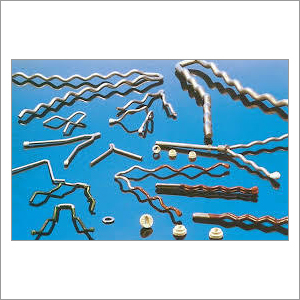
Tell us about your requirement

Price:
Quantity
Select Unit
- 50
- 100
- 200
- 250
- 500
- 1000+
Additional detail
Mobile number
Email

More Products in Refractory Stud Anchors Category
Refractory Stud Anchor
Finishing : Other, Bright Finish
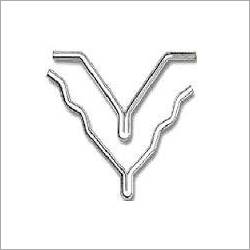
Type : Other, Y Type Refractory Stud Anchor
Diameter : 6 mm
Material : Other, Stainless Steel
Surface : Polished
Grade : 304/316

 Send Inquiry
Our Products
- Industrial Brackets
- Stainless Steel Hooks
- Stainless Steel Rings
- Stainless Steel Bottle Stands
- Stainless Steel Clamps
- Stainless Steel Handles
- Glass Patti Brackets
- Bird Spikes
- Bulldog Clamps
- Steel Brackets
- Inverter Choke Clamps
- Metal Couplers
- Elevator Brackets
- Angle Brackets
- C Channels
- Cockroach Traps
- Corrugated Anchors
- Floor Traps
- Foundation Brackets
- J Brackets
- Metal Brackets
- Mild Steel Brackets
- Mirror Frames
- Net Hooks
- Pillar Brackets
- Pipe Holders
- Railing Fittings
- Rectifier Brackets
- Refractory Stud Anchors
- Refractory U Anchors
- Refractory V Anchors
- Refractory Y Anchors
- Slotted Brackets
- Stainless Steel Aldrops
- Stainless Steel Anchor Brackets
- Stainless Steel Bends
- Stainless Steel Chains
- Stainless Steel Eye Hooks
- Stainless Steel Glass Brackets
- Stainless Steel Hinges
- Stainless Steel J Hooks
- Stainless Steel L Brackets
- Stainless Steel L Hooks
- Stainless Steel Latches
- Stainless Steel Mirror Brackets
- Stainless Steel Refractory Anchors
- Stainless Steel Towel Ring
- Stainless Steel Fittings
- Industrial Products
- Copper Contacts
- Veterinary Instruments
- Stainless Steel Reducers
- Hose Clamps
- Bearing Hinges Kada
- Ss Jula
- Refractory Anchor
- Engine Gaskets
- Stainless Steel Locks And Blocks
- Jhula Fittings
- SS Display Hook
- Stainless Steel Flange Nut
- Magazine Bags
- Julla Saliya


B No. G-23/A, Sonal Industrial Estate, Behind Adani Electricity, Sri Ram Nagar Lane Near Bhayandar Phatak, Mira-Bhayandar Road,Mira Bhayandar - 401105, Maharashtra, India

Mr. Vipul Natubhai Makvana
(Proprietor)
Mobile :08045813499
 Send Inquiry
 Send SMS
Developed and Managed by Infocom Network Private Limited.


